
Residential Repiping in Bremerton, WA
Between the late 1970s and mid-1990s, polybutylene pipe was one of the most common materials installed in new American homes — cheap, fast to install, and, it turned out, prone to breaking down from the inside as chlorine in municipal water slowly degraded the plastic. A lot of Kitsap County’s housing stock grew during exactly that window. If your Bremerton home was built or renovated in that era and still has its original plumbing, there’s a real chance you’re living with pipe that was never meant to last this long. Lakewood Plumber provides repiping services throughout Bremerton — full residential construction plumbing replacements done right, whether you’re dealing with polybutylene, aging galvanized steel, or pipe that’s simply reached the end of its service life.
Is Your Home Still Running on Polybutylene Pipe?
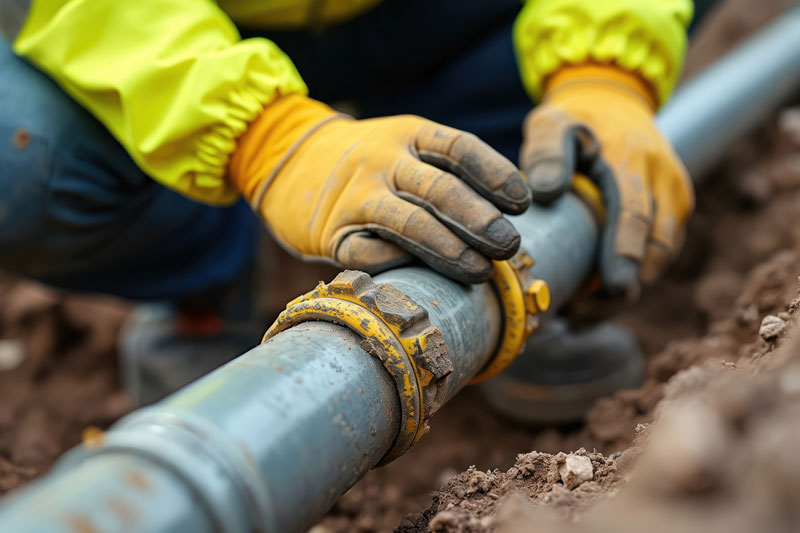
Polybutylene pipe is usually gray, sometimes blue or black, and often stamped with “PB2110” along its length. It was used heavily in budget-conscious new construction and additions through the ’80s and into the early ’90s, which makes it common in homes built during Kitsap County’s growth years. It doesn’t always fail dramatically — sometimes it’s small leaks inside walls that go unnoticed until there’s water damage, warped flooring, or a spike in your water bill. If you’re not sure what’s running through your walls, a quick inspection at your water heater connection or under a sink usually tells us everything we need to know.
Signs You Need a Repipe, Not Just a Repair
A single leak usually calls for a single repair. These signs usually mean the whole system needs attention:
- Discolored, rusty, or metallic-tasting water, especially after the house has sat unused for a few hours
- Noticeably low water pressure throughout the house, not just at one fixture
- Frequent pinhole leaks or repeated repairs to the same general area of plumbing
- Visible corrosion, flaking, or chalky buildup on exposed pipes
- Knocking or banging noises in the walls when water is running
- A home built or last replumbed between the late 1970s and mid-1990s with no known upgrades since
If you’re seeing two or more of these, a whole-house repipe is almost always more cost-effective long-term than chasing repairs one at a time.
Whole-House Repipe vs. Spot Repairs — What Actually Makes Sense
Patching a single bad section of pipe is sometimes the right call. But once a plumbing system is failing in multiple places, repeated spot repairs start costing more — in materials, labor, and the water damage that comes from leaks you don’t catch right away — than replacing the system once, correctly.
Copper Repiping
Copper has been the standard for residential construction plumbing for decades because it holds up well, resists bacteria growth, and has a long track record. It costs more upfront and takes a bit more labor to install, but a lot of Bremerton homeowners prefer it for the durability and the fact that it doesn’t degrade the way older plastics did.
PEX Pipe Replacement
PEX is flexible, resistant to freezing splits, and faster to install since it requires fewer joints and less cutting through walls. For most whole-house repipe projects, PEX brings the cost down without sacrificing reliability — which is why it’s become the more common choice for residential repipes across the region, including ours.
We’ll walk you through which option fits your home, your budget, and your plans for the property, rather than defaulting to whichever is easiest for us to install.
What to Expect During a Residential Repipe
Repiping sounds invasive, and there’s no pretending it’s a small job — but a well-run repipe is more controlled than most homeowners expect.
We start with an inspection to map your existing plumbing and identify the most efficient path for new lines, often running them through walls, attics, or crawlspaces to minimize how much drywall needs to be opened. Work typically happens in stages, room by room, so you’re not without water for the entire job. Once the new lines are in, every connection is pressure-tested before anything gets closed up, and we coordinate the required inspection so the work is documented and code-compliant — not just “done.”
Most whole-house repipes for a typical single-family home are completed in two to four days, depending on the size of the house and whether walls need to be opened and patched.
Why Bremerton Homeowners Trust Our Repipe Team
Repiping a home means a crew has access to nearly every room, runs new lines through walls and ceilings, and leaves behind work that’s supposed to last another 30-plus years. That’s not a job to hand to whoever quotes the lowest price. Every plumber we send out is licensed and insured, pulls the required permits, and treats your home like it’s the one being worked on — because it is.
We’ve repiped homes throughout Bremerton, from older properties near Kitsap Lake still running original polybutylene to homes around Erlands Point and Charleston that just need an upgrade after decades of use. Homeowners consistently tell us they appreciated having the process explained clearly upfront, with no surprise costs once the walls were already open.
Schedule Your Bremerton Repipe Inspection
If your water’s running discolored, your pressure’s dropped, or you know your home still has its original plumbing from the ’80s or ’90s, it’s worth getting ahead of it before a small leak becomes a flooring or drywall problem. Call Lakewood Plumber at (253) 656-5385 to schedule a repipe inspection in Bremerton, or request your free estimate online today.